Experiment 1 - Test and Measurement

Michael Smith
ELEC 3030-RF Systems Lab
Date of Lab - Friday, September 20, 2021, 1 p.m.
Experiment 1 – Test and Measurement
Today’s Date – September 13, 2021
Introduction
The purpose of our first lab, “Test and Measurement” was to get us familiar with lab equipment, procedures and give us a feel for what is expected throughout the rest of this class. To begin with, we needed to become familiar with lab test equipment. Our lab test equipment included an arbitrary function generator, an oscilloscope, a DC power supply, and a Digital Multimeter (DMM). We also had to become familiar with amplitude modulation. Also, to give us more hands-on experience we needed to generate and measure AM signals.
Step 1.1
The first part of the lab was very straight forward and just following instructions to see what happens on using various equipment and adjusting different settings. The lab manual gave us detailed instructions on how to use an oscilloscope and various parameters to change. We were given instructions on setting scales as well as how to trigger different measurements. The next piece of equipment we were introduced to was the AFG1062 function generator. We then were taken through the necessary steps to use both pieces of equipment together to create IV amplitude, 10kHZ sine wave and view it on the oscilloscope, see Figure 1. The instructions then went on to tell us various ways we can take measurements using the oscilloscope by using the cursors button to change option settings between Waveform and Screen.
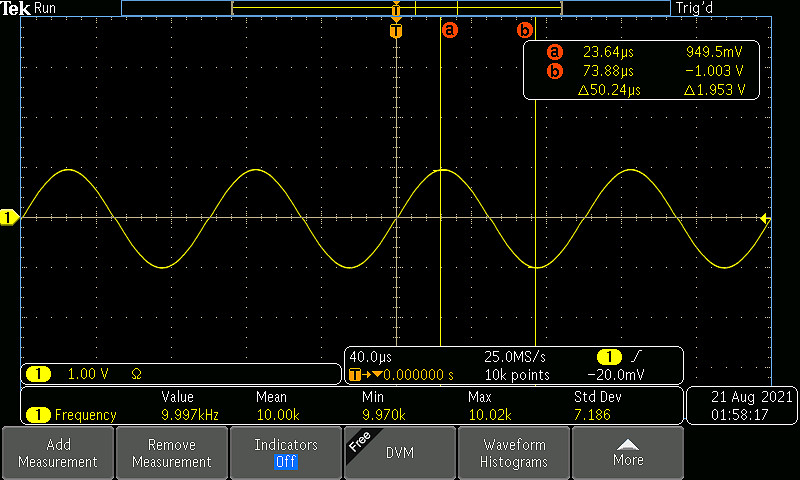

Figure 1 - IV amplitude, 10kHZ sine wave
Step 1.2a
Our study and use of the test instruments continued as we used the AFG Arbitrary Function Generator to create an amplitude modulated signal and viewed it on the oscilloscope. The directions to get the desired AM signal were very specific but I did have to adjust the time scale using the horizontal scale knob to a time scale using the intelligence frequency. Also, I had to adjust the scope’s trigger level knob until I was able to get the desired amplitude modulated wave with 50% modulation, see Figure 2.
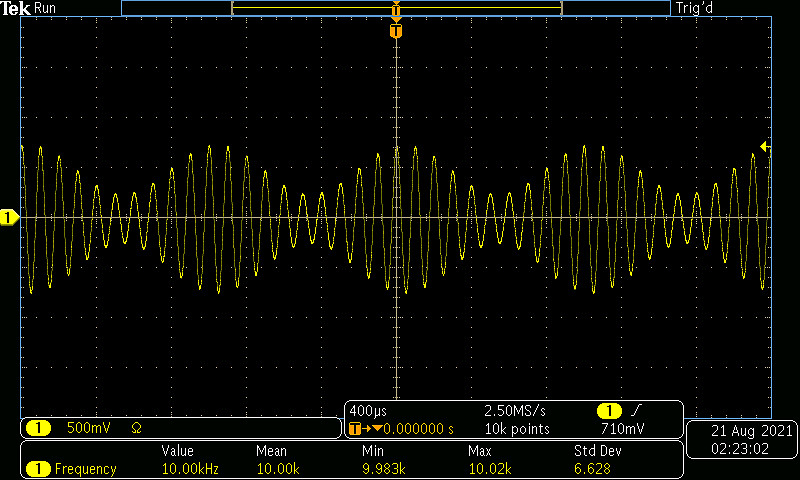
Figure 2 - AM signal with 50% modulation
Step 1.2b
In continuing our exploration of AM signals we used the function generator to create an amplitude modulated signal but this time we viewed it using the spectrum analyzer. Several new instructions had to be followed to get the desired waveform spectrum. One of the most important, was making sure our power level was much below 20 dBm to make sure we did not damage the oscilloscope. After all the necessary setting were made, we used the markers button to get the frequency, dBm level and voltage amplitude for the lower side band, carrier and upper side band. To see the graph for 50% modulation, see Figure 3 and data, see Table 1. To see the graph for 100% modulation, see Figure 4 and data, see Table 2.
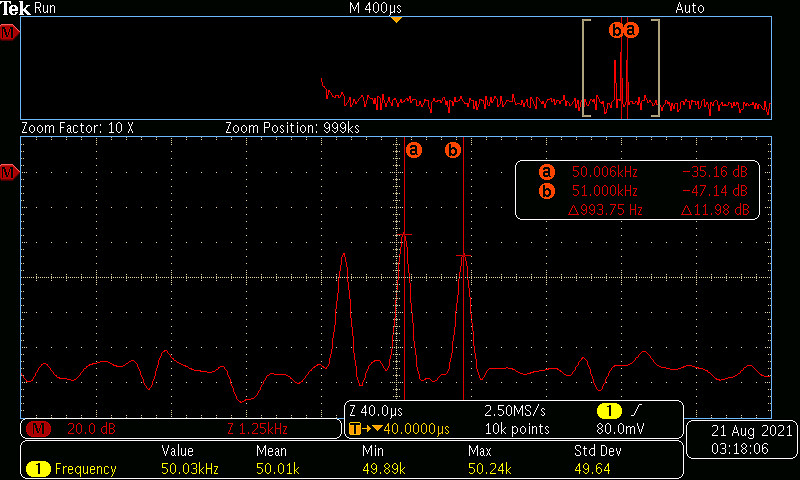
Figure 3 - Spectrum Information 50% modulation (tek00009.png)

Table 1 - Spectrum Information 50% modulation
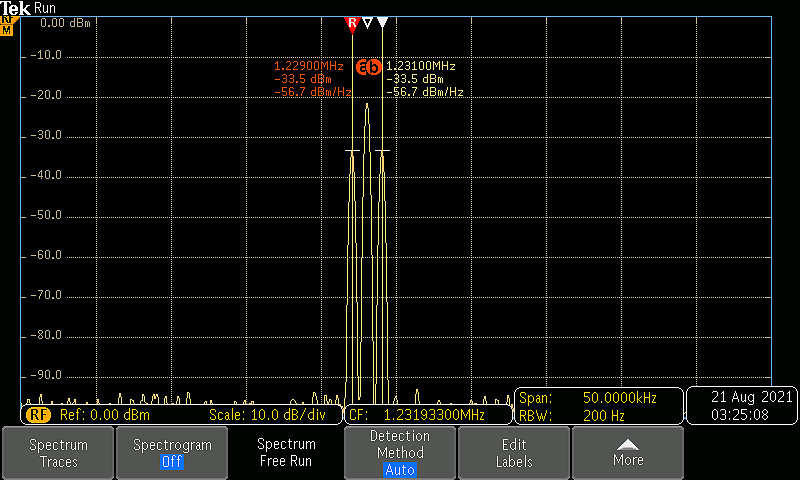
Figure 4 - Spectrum Information 100% modulation (tek00013.png)

Table 2 - Spectrum Information 100% modulation
Step 1.3
In the last part of our lab, we looked at the AM signal with the use of the oscilloscope’s built-in fast Fourier transform (FFT) feature. We had to make the adjustments as instructed to get the desired waveform, see Figure 5. After all the instructed settings were made, I was able to get the frequency, dB level and voltage amplitude for the lower sideband, carrier and upper sideband. To see the graph for 50% modulation, see Figure 5 and data, see Table 3. To see the graph for 100% modulation, see Figure 6 and data, see Table 4. The frequency values I collected with the fast Fourier transform were approximately half of what the frequencies were with the spectrum analyzer.
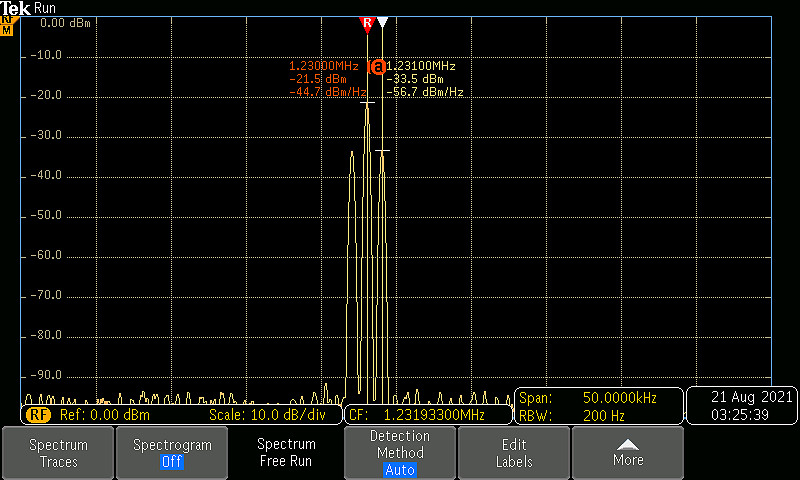
Figure 5 - Spectrum Information 50% modulation (tek00014.png)

Table 3 - Spectrum Information 50% modulation
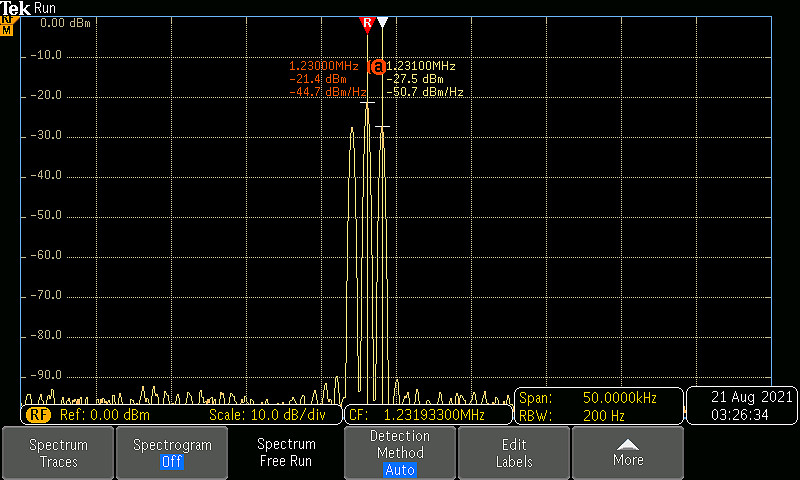
Figure 6 - Spectrum Information 100% modulation (tek00016.png)

Table 4 - Spectrum Information 100% modulation
Conclusion
This lab I found to be incredibly informative. I especially appreciate this lab because it takes the theoretical information we have been learning in our classed and gives us a peek of how it can be used in the real world. We are taking steps to create our own AM radio. For most people items of technology are mystical boxes that create things that are beyond their understanding. For engineering students not only are we given a peek behind the magic curtain, but we are also given the knowledge and tools to create these items ourselves. I love knowing we are going to be able to create items of wonder in the near future.